Posts

MIGRAIN: Index

1) Media consumption audit  2) Language: Reading an image - advert analysis 3) Reception theory 4) Semiotics: Icons, Indexes and Symbols 5) Genre: Factsheets and genre study questions 6) Narrative: Factsheet questions 

Narrative

Image
Read  Media Factsheet 14 - Telling Stories: The Media's Use of Narrative   and answer the following questions: 1) Give an example from film or television that uses Todorov's narrative structure of equilibrium, disequilibrium and new equilibrium.  Hunger Games Equilibrium:   Introducing the main protagonist Katniss who has gone hunting in the woods which represents her practising for the Hunger Games if she was chosen. Disequilibrium:  When Katniss' sister gets chosen for the games, Katniss volunteers as tribute and sacrifices herself to save her sister. New Equilibrium:  Katniss and her companion Peeta win the game together. Katniss then returns home to meet her family and friends. 2) Complete the activity on page 1 of the Factsheet: find a  clip  on YouTube of the opening of a new TV drama series (season 1, episode 1). Embed the clip in your blog and write an analysis of the narrative markers that he...

Semiotics- Icon, Index and Symbol

Image
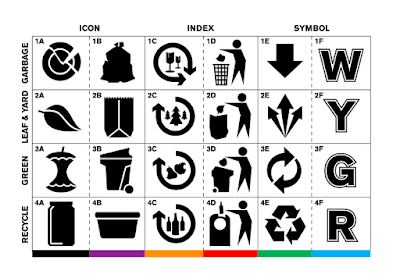
1) Find three examples for each: icon, index and symbol. Provide images or links. 2) Why are icons and indexes so important in media texts? Icons are important because they provide the consumers with a greater understanding as to what the text is trying to convey. It would be difficult for the audience to understand or to relate to whatever is being conveyed if there weren't any icons. Indexes are significant too because they allow the audience to make links with other things because indexes give an implied sign allowing the audience to infer their own meaning. Without indexes it would be harder to create texts for the producer because it wouldn't allow the audience to have a deeper understanding of what is being conveyed. 3) Why might global brands try and avoid symbols in their advertising and marketing? Global brands try avoiding the use of symbols because their advertising can often be misinterpreted. Some symbols could mean different things...

Reception theory

Image
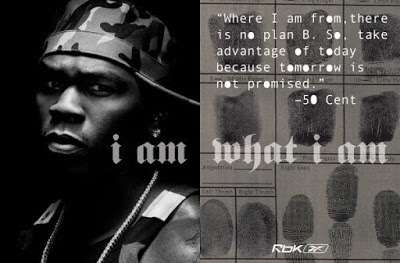
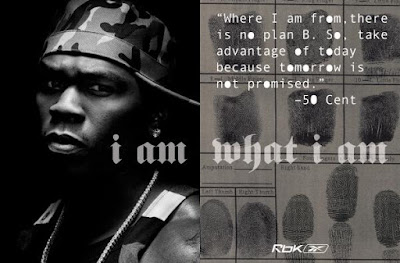
Reebok advert Dominant:   The dominant reading for this advert is that Reebok is suggesting that people who have made bad choices in the past can always change. Reebok uses 50 Cent to show their audience that there are always opportunities to improve your life and make the right choices.  Negotiated:   The negotiated reading would be that Reebok presents 50 Cent as a 'criminal' or as a 'gangster' because of the way they have portrayed him with the chain around his neck and the cap. However, they are also attracting more of an audience because they have used a famous person and when people would see him they would want to buy Reeboks products Oppositional:   Reebok have presented themselves to the audience that they are a company that associates with criminals only. They are suggesting to the audience that if you are a criminal then you should buy Reebok products. People wouldn't want to buy their products because Reebok associates themselves with cr...

MIGRAIN: Reading an Image

Image
1) Analyse this RBK 50 Cent advert using the key media language you learned today: denotation, connotation, colour, pose, framing, composition, size, type of shot, subject matter, setting, lighting. Reebok use two different images within one advert to generate a reaction from the audience. The first picture Reebok used is of 50 Cent portraying him as a 'gangster' or a 'criminal' suggesting that he is a person that people were/are afraid of. The dim lighting focused on his face enhances his stern look suggesting that what ever Reebok is trying to convey, he is very serious about it. Looking at his clothing, the chain around his neck and the cap reinforces typical stereotypes of black people suggesting that they should be feared of and that they are criminals. The fact that they have used 50 Cent does show diversity and could suggest that Reebok does not discriminate amongst Black people. The second image within the advert of a criminal record of his ...

Textual analysis

1) What type of text is it? This is a magazine cover for 'Shape' which is a female fitness magazine. 2) How do you know? What are the key conventions that allowed you to identify the text? The most obvious convention would be the main image of Naomi Campbell in a swimsuit but also the many story lines such as '24 minutes to slim' or ' The easy way to eat less.' The masthead 'Shape' is significant as well because part of it is covered which suggests that it is an exclusive magazine because their readers are loyal and just by the other features they would be able to tell that this is the Shape magazine cover. Also, the simple bar-code and date shows us that this is a magazine for sale and that there are many different issues available. 3) In your opinion, who is the target audience for this media text? In my opinion the target audience is females who are looking to get healthy and fit. This is aimed at women who are aged within their mid-twenties on...

My Media consumption

Newspapers Which daily newspapers (if any) do you read? I read The Sun, Daily mail and The Guardian.  What sections of newspapers do you turn to first, and why? I turn over to the entertainment section first because I like to read about the latest celeb gossip. I like to know what goes on in their lives as I follow them on social media and the entertainment section just gives me more of an insight into their lives. What sections do you never read, and why? I never read the sports section because I am not interested in it.  What kinds of stories do you usually read and why? I like to read stories that are quite moving but also stories that can teach me something. Do you, or someone else, buy the newspaper you read? I buy newspapers sometimes because I usually just borrow from someone who already has it. Do you look at the online versions of any newspapers? Which newspapers? Why do you visit their website and not others? Yes, I look at Daily mail online b...